
Travel and Expense Policy Guide
A simulation-based learning experience designed to help employees understand travel policy by applying it inside realistic booking and expense decisions.
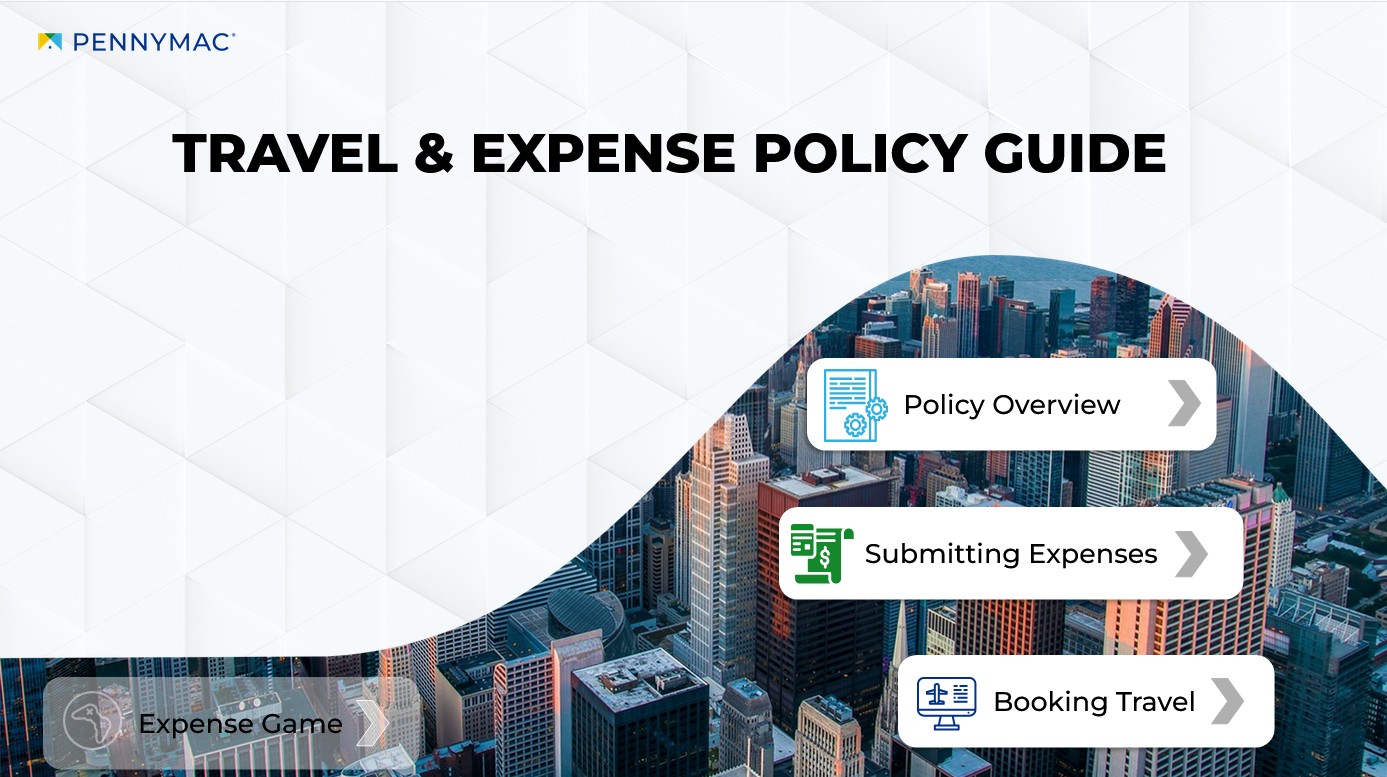
The policy only mattered if learners could apply it inside the workflow.
Employees were struggling to interpret and apply the travel and expense policy consistently. The common training solution would have been a static policy overview, but that would have separated the policy from the moments where employees actually made booking and expense decisions.
I built a simulated travel portal experience that guided learners through realistic booking decisions while surfacing essential policy reminders at the point of need. I also created an AI-assisted game-show activity, Is It Allowable?, where learners practiced identifying allowable and unallowable expenses through play instead of memorizing a list.
Objective
The objective was to improve understanding, retention, and compliance by moving the policy out of a static document and into the actual context where employees make travel and expense decisions.
Process
I analyzed the areas where employees most often misunderstood or misapplied the policy, including acceptable business expenses and rules related to flights, hotels, rental cars, and reimbursement decisions.
Instead of designing a linear policy course, I created a simulated travel portal that mirrored the kinds of decisions employees needed to make. Policy reminders appeared in context, helping learners connect the rule to the action.
To reinforce expense decision-making, I used AI-assisted coding to build an interactive game-show activity called Is It Allowable?. Learners were challenged to identify allowable and unallowable expenses in a format that encouraged recall, judgment, and repetition.
Outcome
The final experience connected policy knowledge to realistic platform interactions, improving the likelihood that learners would remember and apply the policy correctly. It also shifted the learning experience from passive review to active decision-making, which strengthened engagement and practical compliance.